Heveya® Journal
-
Here’s a shocking statistic: Climate change is predicted to cause about 250,000 deaths per year from 2030 to 2050. What’s more, the effects of this global phenomenon will become irreversible by 2030, according to the United Nations. Doing our part to save the planet and live a more sustainable life has never been more urgent.While sustainable living should be on everyone’s radar, it doesn’t mean you have to become a radical tree-hugger and upend your life completely, of course. There are plenty of simple practices that you can adopt, right from the comfort of your home, which is where most of us are spending the majority of our time with the pandemic still not backing down. Here are three ways to promote sustainable living at home.
1. Use mattresses made of sustainable materials
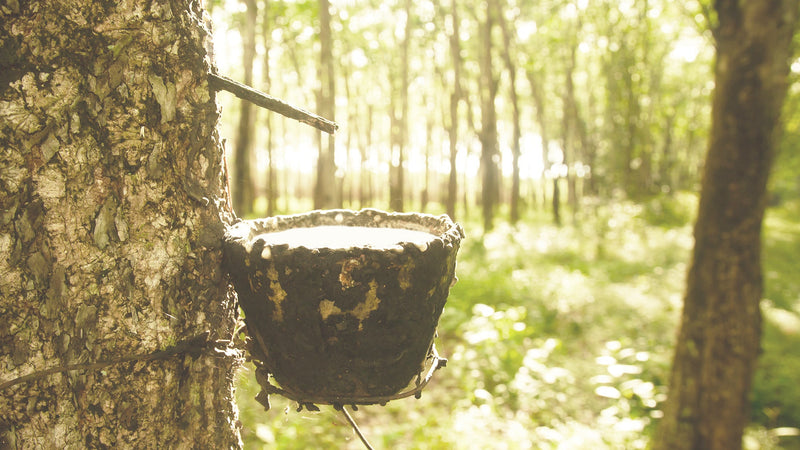
The bed is where you start and end your day. It’s either treated as the most sacred spot in the house, or taken for granted and placed at the back of your mind. If it’s the latter that you resonate with, it’s time to pull it to the forefront. Perhaps you’re thinking, what does sleeping have to do with sustainable living? The answer: everything. According to research by the National Bed Federation, only a meagre 19% of mattresses get recycled in the UK. And the main reason for that is, they’re one of the hardest items to recycle. The lack of facilities contributes to the problem too, with the US having only 56 facilities to recycle the more than 18 million mattresses that are thrown away each year. To avoid further clogging up the landfill, opt for more eco-friendly options such as Heveya®’s organic mattresses and bedding products. Since its inception, Heveya® has been part of the global fight against climate change. Designed with sustainability in mind, every mattress is made entirely out of natural latex, made from the sap of rubber trees. This means they’re recyclable and biodegradable. You can even give them a second life by shredding them and upcycling them into sound panels or seat cushions.Going beyond the product itself, the process of production is made to be environmentally friendly as well. The plantation Heveya® works with, in particular, is carbon-neutral and Fair Choice certified. What’s more, Heveya® has partnered with Replant Corp to plant 12,000 trees in a year in the rainforest of Borneo, one of the world’s most important lungs. With Heveya®, you can save the world while you sleep.
2. Use less energy at home
It’s no question that people have been spending more time at home, since the start of the Covid-19 outbreak. You might be reading this article on your sofa, still unable to leave the house too often. Despite the situation, it doesn’t mean you have to resign to the fate of higher energy consumption and even higher utility bills. Here is a basic checklist of what you can do to live more sustainably:
Turn off the lights when you leave the room. In certain conditions, you might not even need to turn on your lights in the first place, when you’ve got natural light pouring in from your windows during the day.
Try to avoid relying on air-conditioning. We may be living near the Equator, but it’s no reason to blast the AC all day long. If you must, keep it to a single room and remember to keep the doors and windows closed so you’re not wasting extra energy. Another option is to use a fan instead. If you’re more committed to the sustainable life, try cracking open the windows and let the natural air outside cool you down.
Don’t forget about your computer. Never leave your computer, or any device including your printer and scanner, running 24/7. Even when it’s in sleep mode, your computer is consuming power. According to CNET Labs, an idle desktop uses about 100 watts, whereas a busy one uses 145 watts, which isn’t that great of a difference.
3. Aim for zero waste
This includes both food and material waste. Switch to eco-friendly alternatives and eliminate single-use products such as plastic bags, plastic bottles, disposable utensils – everything responsible for polluting our oceans and killing the wildlife that our planet needs to survive. Bring sustainable living to the next level by striving for zero food waste too. Well, this might be a bit of a stretch, but at the very least, you should be rethinking your leftovers. Instead of binning food left, right and centre, look for recipes that allow you to maximise every ingredient. This is an opportunity for you to use your imagination and flex your culinary skills. The rest can be composted. To go even further, why not try growing your own fruits and herbs? Your homegrown food, unlike those at the supermarket, won’t come with plastic packaging – a huge plus for the environment and your pocket. You can also be sure that your food is pesticide-free. Here’s another not-so-fun fact: To transport produce to the supermarket, a ton of fossil fuels has to be used. Growing your own produce prevents that from happening. If you don’t see yourself becoming a part-time urban farmer, don’t fret. You can still champion the values of sustainable, eco-friendly living by bringing your own reusable bag - like the Heveya® bag that you’ll receive when you buy our sheets and pillows - to the grocery store.
Live your life to the greenest
They say if you want to make an impact on the world, you should start with your local community. We say, why not start with your own home first, where you can effect change in the easiest, most direct way? Baby steps will eventually lead to giant strides. Strive for sustainable living at home with these tips, and give our planet another shot to thrive.
-
Have you ever stopped to think about the story behind your bed sheets? It’s a simple question, but the answer is often more fascinating than we imagine. We spend a third of our lives in bed, yet it's easy to forget that every thread has an origin story. For those who value comfort and sustainability, that journey is key to creating the perfect sleep experience with bamboo bed sheets.
For bamboo lyocell sheets, that story begins not in a cotton field, but in a lush, green bamboo forest. It’s a captivating journey of transformation that blends nature with clever, clean technology. This isn't just about making bamboo fabric; it's about reimagining how premium bed linen can be made. In this guide, we'll follow the path from a bamboo shoot to the luxuriously soft bamboo bedding that graces your home. Let's begin the journey.
Bamboo 101: Getting to Know the Plant
Before it can become the bedding of your dreams, it all starts with the plant itself. Bamboo is a natural wonder, an overachiever with impressive credentials that make it a perfect sustainable resource. Understanding the source helps in appreciating the unique bamboo fabric characteristics.
A Speedy Grass, Not a Slow Tree
First, a key fact: bamboo is technically a giant grass, not a tree. This is the secret to its incredible sustainability. As one of the fastest-growing plants on Earth, it’s a resource that can be replenished at an astonishing rate, unlike the decades-long wait required for trees.
Nature’s Low-Maintenance Marvel
This is where bamboo truly shines as an eco-friendly hero. It’s wonderfully self-sufficient. It requires remarkably little water, a stark contrast to a thirsty crop like conventional cotton. Furthermore, bamboo is naturally pest-resistant, meaning it can be grown without nasty pesticides or chemical fertilisers, the foundation for creating what are essentially organic bamboo sheets. It also regenerates from its own roots after harvesting, which prevents soil erosion and protects the ecosystem. These remarkable qualities translate directly into bamboo fabrics that are not only eco-friendly but also gentle, durable and ideal for creating premium bedding.
A Highly Renewable and Generous Resource
When you combine rapid growth, self-regeneration, and minimal need for water, you get a truly renewable resource. Bamboo also boasts a much higher yield per hectare compared to cotton. This efficiency means we can produce more wonderfully soft bed sheets from a smaller footprint, making it a responsible choice from the start.
From Plant to Fabric: The Lyocell Transformation
So, how does that tough plant become the buttery-soft bamboo fabric you love? This is where the magic of science and sustainability intertwine through the clean method known as the lyocell process.
The Clean Recipe for Creating Lyocell
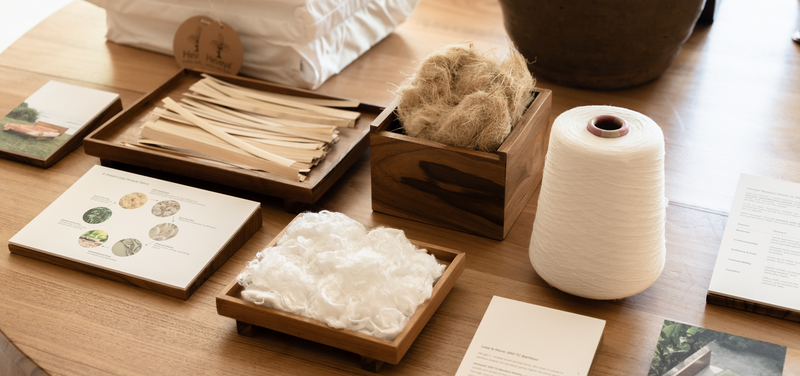
Think of the lyocell process as a refined, eco-conscious recipe that transforms bamboo pulp into the softest lyocell sheets. It unfolds in five carefully managed steps designed to protect the environment while creating a superior fibre for your bamboo bed sheets.
Harvest & Chip: Sustainably grown bamboo is harvested and chipped into small pieces.
Convert to Pulp: The bamboo chips are then processed to break them down into a soft, fibrous bamboo pulp.
Extract Cellulose: Pure cellulose, the organic building block of the plant, is extracted from this pulp.
Dissolve Safely: The cellulose is dissolved in a non-toxic, organic solvent called N-Methylmorpholine N-oxide (NMMO), creating a viscous, honey-like solution.
Form the Fibres: The solution is pushed through microscopic spinnerets, forming long, smooth filaments of pure cellulose fibre.
Wash, Dry & Weave: These new fibres are washed, dried and woven into the strong, soft, and luxurious fabric that becomes a bamboo lyocell sheet.
The Closed-Loop System: A Planet-Friendly Promise
What truly elevates the lyocell process is its closed-loop system. This means over 99% of the water and solvent used are captured, purified and recycled. This incredible system drastically reduces water consumption and prevents harmful chemicals from entering the environment, setting the standard for sustainable bed linen production.
A Crucial Note: It’s Not the Same as Viscose/Rayon
It's vital to understand that bamboo lyocell is fundamentally different from bamboo viscose. The viscose process often uses harsh, toxic chemicals in an "open-loop" system, leading to pollution. Lyocell is the cleaner, safer, and vastly more sustainable choice for conscious consumers.
Why Choose Bamboo Bedding? The Payoff for Your Sleep
So, what do these eco-friendly benefits mean for you when you choose a set of bamboo lyocell sheets? The technical advantages of bamboo lyocell fibres translate directly into a better night's sleep, making them some of the best cooling bed sheets and arguably the best bamboo sheets for a truly restorative night's sleep.
The Technical Perks of the Fibre
The beauty of a bamboo lyocell sheet is woven into its very structure.
Incredibly Breathable: The fibre's unique structure allows air to flow freely, making for exceptionally breathable cooling bed sheets. This is especially beneficial in warmer climates across Australia.
Superior Moisture-Wicking: Lyocell is brilliant at pulling moisture away from your skin, keeping you dry and fresh. This makes bamboo bedding the ultimate choice for hot sleepers.
Naturally Gentle: The smooth fibers are naturally gentle, making bamboo lyocell bed sheets some of the best hypoallergenic bedding for those with sensitive skin.
Comparing Bamboo to Other Materials
How do lyocell bed sheets stack up against other fabrics?
Bamboo Lyocell vs. Egyptian Cotton: Even premium cotton sheets, like Egyptian cotton, prized for their long, supple fibres still depend on high thread counts for softness, which reduces their breathability. Bamboo lyocell, however, feels luxuriously soft and silky at a low thread count, preserving airflow. Its superior moisture control keeps hot sleepers cool in ways cotton can’t.
Bamboo Lyocell vs. Linen: Linen is airy but can feel coarse. Lyocell offers a much smoother, fluid feel that glides against the skin and has a more elegant drape, all while being more wrinkle-resistant.
Bamboo Lyocell vs. Silk: While both fabrics feel luxuriously smooth, bamboo lyocell is more breathable and better at wicking moisture, making it superior for hot sleepers. It is also far more durable and easier to care for than delicate silk.
Bamboo Lyocell vs. Tencel: Both bamboo lyocell and Tencel™ (a brand of lyocell typically made from eucalyptus trees) use the same eco-friendly closed-loop process, resulting in fabrics that are nearly identical in their silky softness and excellent moisture-wicking performance. The key distinction lies in their origin: while Tencel™ is sourced from trees, bamboo lyocell comes from bamboo grass, which grows incredibly fast and can be harvested more frequently. This makes bamboo lyocell an even more renewable and sustainable choice, offering the same luxurious feel with a greater environmental advantage.
Bamboo Lyocell vs. Bamboo Viscose: This comparison is all about the process. Lyocell’s eco-friendly, closed-loop system gives it a vastly smaller environmental footprint, making it the more responsible choice for eco-friendly bed sheets.
How to Take Care of Your Bamboo Bedding
You’ve invested in a beautiful bamboo bedding set, and you want it to last. The good news is, how to care for bamboo bedding is surprisingly simple.
Keep It Cool and Gentle
Always wash your bamboo bed sheets on a gentle cycle with cool water and a mild, liquid detergent. This preserves the fibre's integrity and softness.
Avoid Harsh Additives & Know When to Wash
Steer clear of chlorine bleach and fabric softeners, as they can damage the delicate fibres and reduce their natural moisture-wicking abilities. A common question is how often to change bed sheets; for hygiene and to maintain freshness, we recommend washing them once a week.
Myths & Misconceptions
Let's set the record straight on bamboo fabric.
Myth: “Bamboo fabric feels rough”
Fact: The lyocell process transforms tough bamboo into a famously silky-smooth and buttery soft fabric.
Myth: “It’s just like bamboo viscose.”
Fact: Absolutely not. Their production processes are worlds apart. Bamboo lyocell is made using a far more advanced and eco-conscious closed-loop system.
Myth: “All bamboo fabrics are eco-friendly.”
Fact: Sustainability depends on the production process. Only processes like lyocell meet the highest standards for eco-friendly bed sheets.
From the Finest Process Comes Heveya® Bamboo Lyocell Bed Linen
The journey we have followed is the same one behind every piece of Heveya® Bamboo Lyocell bed linen. We are committed to the closed-loop lyocell process because true luxury should never come at the planet's expense. When you purchase a Heveya® sheets product, whether it's a full bamboo bedding set or a bamboo lyocell sheet set, you are choosing quality and integrity. For those looking for the best Bed Sheets Australia has to offer, our collection is unparalleled.
Experience the Heveya® Difference for Yourself
If you've been asking yourself where to buy bamboo sheets that combine ultimate comfort with true sustainability, the answer is right here. Reading about the softness of our luxury bamboo bed sheets is no substitute for experiencing them firsthand. It’s time to expect more from your bedding.
Indulge in a Heveya® bamboo lyocell sheet set. Feel its cool, smooth caress against your skin. For customers looking for premium bamboo bedding Australia or a high-quality bed sheet in Australia, our collection offers the ultimate sleep experience. Sleep soundly, knowing your choice is kinder to our planet.
About Heveya®
Heveya® was founded on a simple belief: your sleep should be comfortable, restorative, and sustainable. We are dedicated to creating premium bedding from the finest natural materials, including organic bamboo bedding Australia and certified organic latex mattresses.
From our mattresses to our buttery-soft bamboo lyocell bed linen, every item is crafted with your well-being in mind. We believe in transparency, ensuring our materials are ethically sourced and our processes are clean. Our mission is to provide you with a sanctuary for sleep, where luxury and nature coexist beautifully.
-
Pillows are among the key requirements for a good night’s sleep. Without the right pillow, you get less rest and can even suffer from neck and back pain due to lack of support. In that sense, investing in a good pillow is an investment in your health!
This is why it’s so important to choose a good pillow. It’s equally important to understand that one-size-fits-all doesn’t apply here. Different people have different preferences and sleeping habits, so there will be variations in the ideal pillows for them.
Fortunately, there are ways to figure out what kind of pillow you should get. Here, we’ll give you a quick guide to seeking out a pillow that can get you through an uninterrupted night’s sleep.
What kind of sleeper are you?
You should first assess what kind of sleeper you are. Do you sleep on your side? On your belly? Or do you lie down on your back? Or a combination of them all? Whichever it is, it determines what kind of pillows you should get. That’s because the way you sleep tells you what sort of support your neck and spine require when you’re in bed.
Back sleepers should get thin pillows that won’t throw their head forward. That’s because having their heads thrown forward puts stress on their necks.
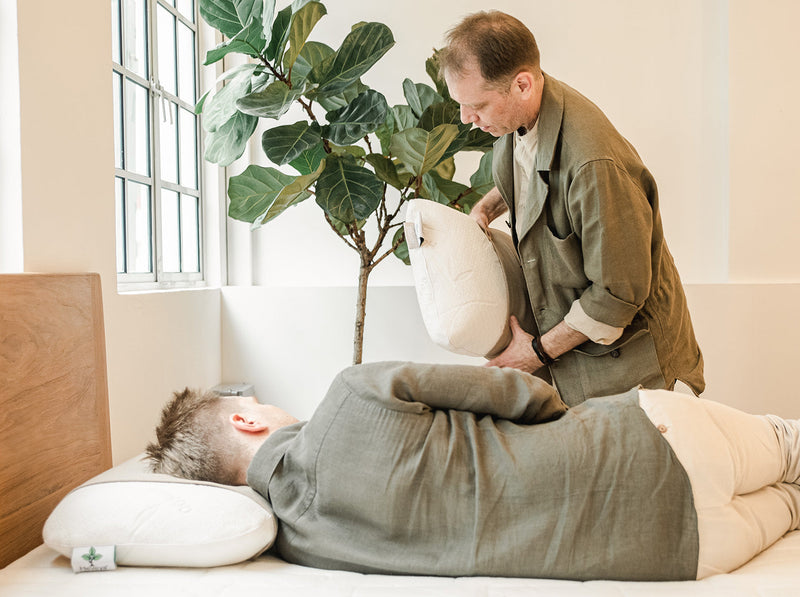
Side sleepers should opt for a high pillow, on the other hand. That can help keep their neck and spine aligned while providing good support. The width of your shoulders will also affect the ideal thickness of your pillow. This is because the pillow fills the space between the neck and the shoulder for a side sleeper. Thus, a person with wide shoulders will need a thicker pillow than someone with narrow shoulders. After all, there will be more space between the first person’s neck and shoulder.
As for front sleepers (those who sleep on their bellies), they should get a flat pillow. This is to make sleeping comfortable for them and avoid misalignment of the neck and spine by pushing the head backwards.
That said, the best way to find a pillow is really to try them in a showroom. This will let vendors assess if you like to toss and turn. Usually, they will take that information as well as the position in which you fell asleep as a gauge. From there, they can suggest a suitable pillow for you.
What kind of material should it be?
Now, aside from pillow shape and firmness, you have to think about the pillow’s material as well. There are different materials used in pillows, with different pros and cons. You have to think about your needs, such as if you’re allergic to certain materials, if your skin is sensitive, if the material is washable, and so on.
Here are the main types of pillows based on material:
Microfiber Pillows It’s the cheapest choice around, washable, and can come in different sizes. However, microfiber pillows don’t last very long, aren’t too breathable, and wear out easily.
Down/Feather Pillow A classic choice, feather pillows can be moulded to suit your neck. However, the maintenance of these pillows can be quite difficult. They need professional cleaning and can get flattened easily, so they may be a bad choice for those who prefer firmer pillows.
Kapok Pillows A vegan alternative of a down pillow, kapok is soft and free from toxic materials. However, it can’t hold its shape and is highly flammable. Its fine fibre also can trigger allergies for those who have sensitive airways.
Memory Foam Pillows One of the newer options, memory foam can mould into a person’s neck and back to help with support and sleep quality. However, this foam is not ideal in hot climates due to it being dense and heat-retentive.
Latex Pillows Natural latex is often confused with memory foam. That’s because both contour to the shape of the head and neck. However, natural latex is chemical-free and can be told apart easily from the way they “rebound” after use. Natural latex pillows are bouncy, whereas memory foam ones do a slow release.
Natural latex pillows are an ideal pillow type. Hypoallergenic and breathable, they offer ample support and are durable. As long as you’re willing to pay a good sum, a natural latex pillow is a wise investment for your sleeping.
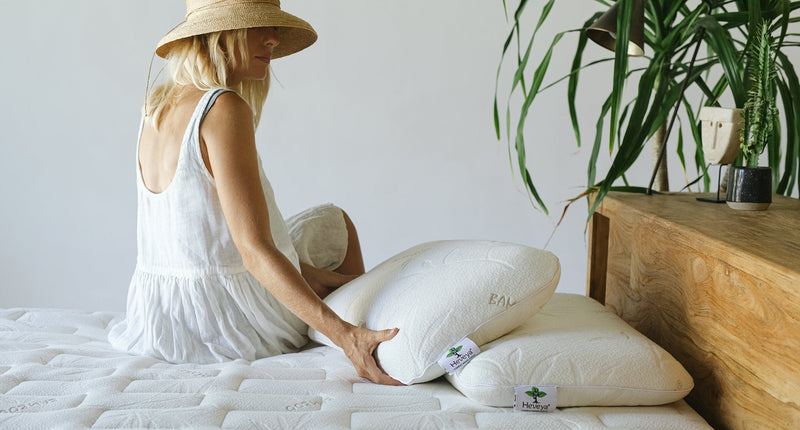
An example of a great latex pillow is the Heveya® pillow, made of 100% natural organic latex. With an open cell structure and pincore holes, it doesn’t retain heat and is breathable. What’s more, it repels dust mites naturally and has a mould resistant core, making it naturally hypoallergenic. It also comes with a removable bamboo cover for easy washing so you can always have a hygienic and healthy sleep.
Firmness and form preferences aren’t a problem either, as Heveya® pillows come in different firmness options and shapes and sizes. You can get it through our online shop, so take a look at them if you want the best when it comes to latex pillows. These latex pillows can help you sleep all night with no interruptions.
Get the best of sleep
Take note, however, that the pillow is only one part of what you need for restful sleep. It needs to go with the right mattress or you may still find yourself unable to relax in your bed. Putting the right pillow with one of those mattresses should help you sleep sweeter than ever before.